Orthopedics is a branch of medicine that focuses on the care of the musculoskeletal system. This system is made up of muscles and bones, as well as joints, ligaments, and tendons.
A person who specializes in orthopedics is known as an orthopedist. Orthopedists use both surgical and nonsurgical approaches to treat a variety of musculoskeletal issues, such as sports injuries, joint pain, and back problems.
What is orthopedics?
A person may visit an orthopedist if they have a musculoskeletal condition.
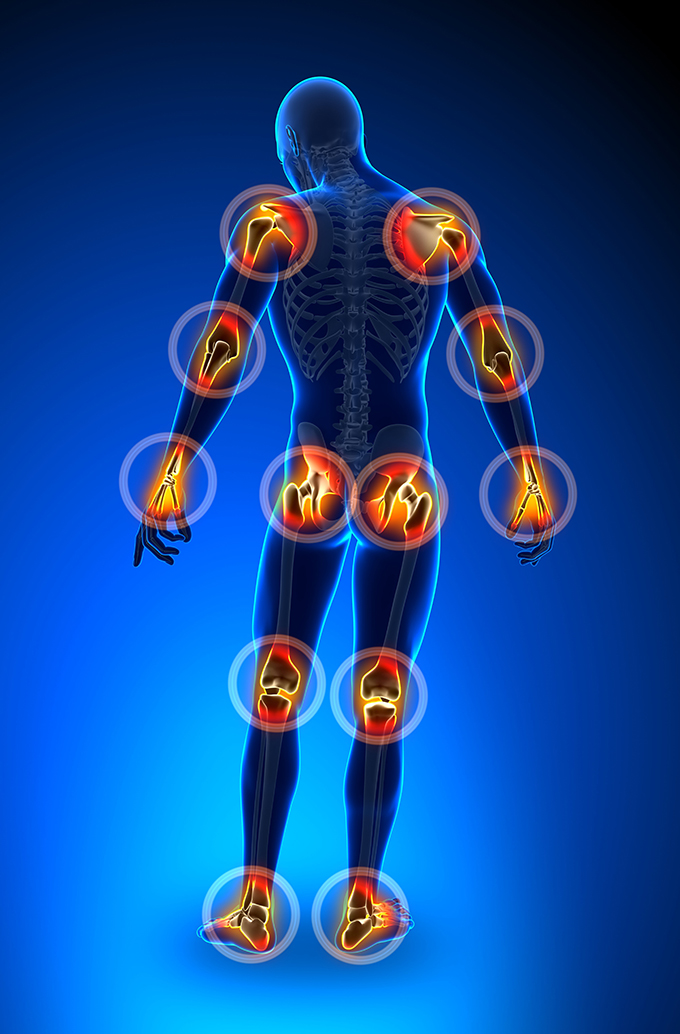
Orthopedics is a branch of medicine that focuses on the care of the skeletal system and its interconnecting parts. These parts include the:
· bones
· muscles
· joints
· tendons
· ligaments
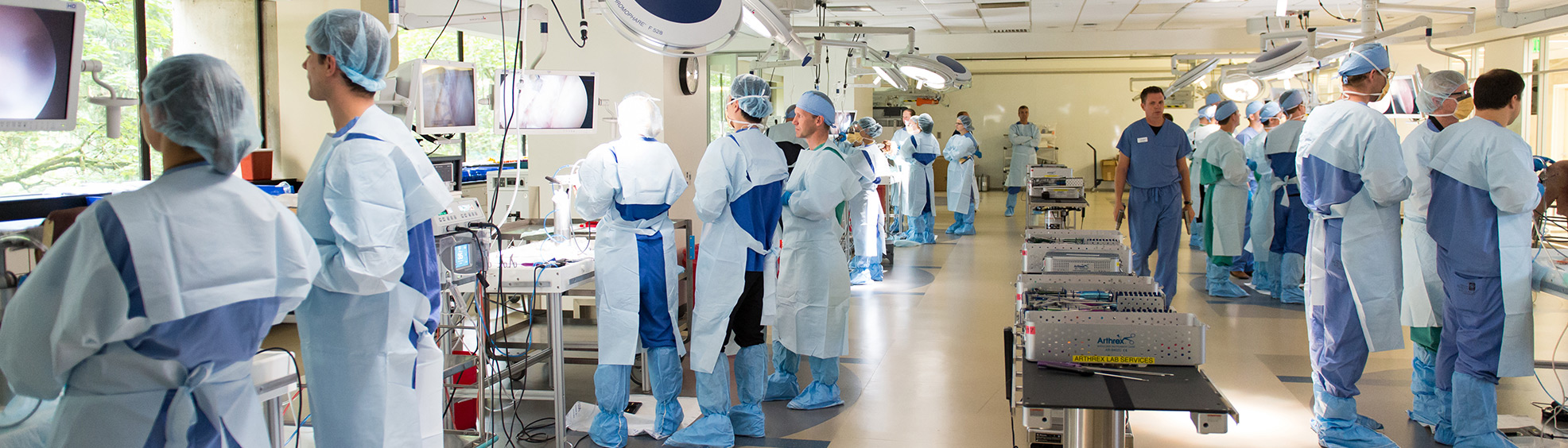
An orthopedist often works as part of a larger orthopedic treatment team. This team may include:
· physician assistants
· nurse practitioners
· occupational and physical therapists
· athletic trainers
What do orthopedists treat?
Orthopedists treat a wide variety of musculoskeletal conditions. These conditions may be present from birth, or they may occur as a result of injury or age-related wear and tear.
Below are some of the most common conditions that an orthopedist may treat:
· joint pain from arthritis
· bone fractures
· soft tissue (muscle, tendon, and ligament) injuries
· back pain
· neck pain
· shoulder pain and problems, such as bursitis
· carpal tunnel syndrome
· overuse and sports injuries, including tendinitis, meniscus tears, and anterior cruciate ligament (ACL) tears
· congenital conditions, such as clubfoot and scoliosis

What to expect during an appointment
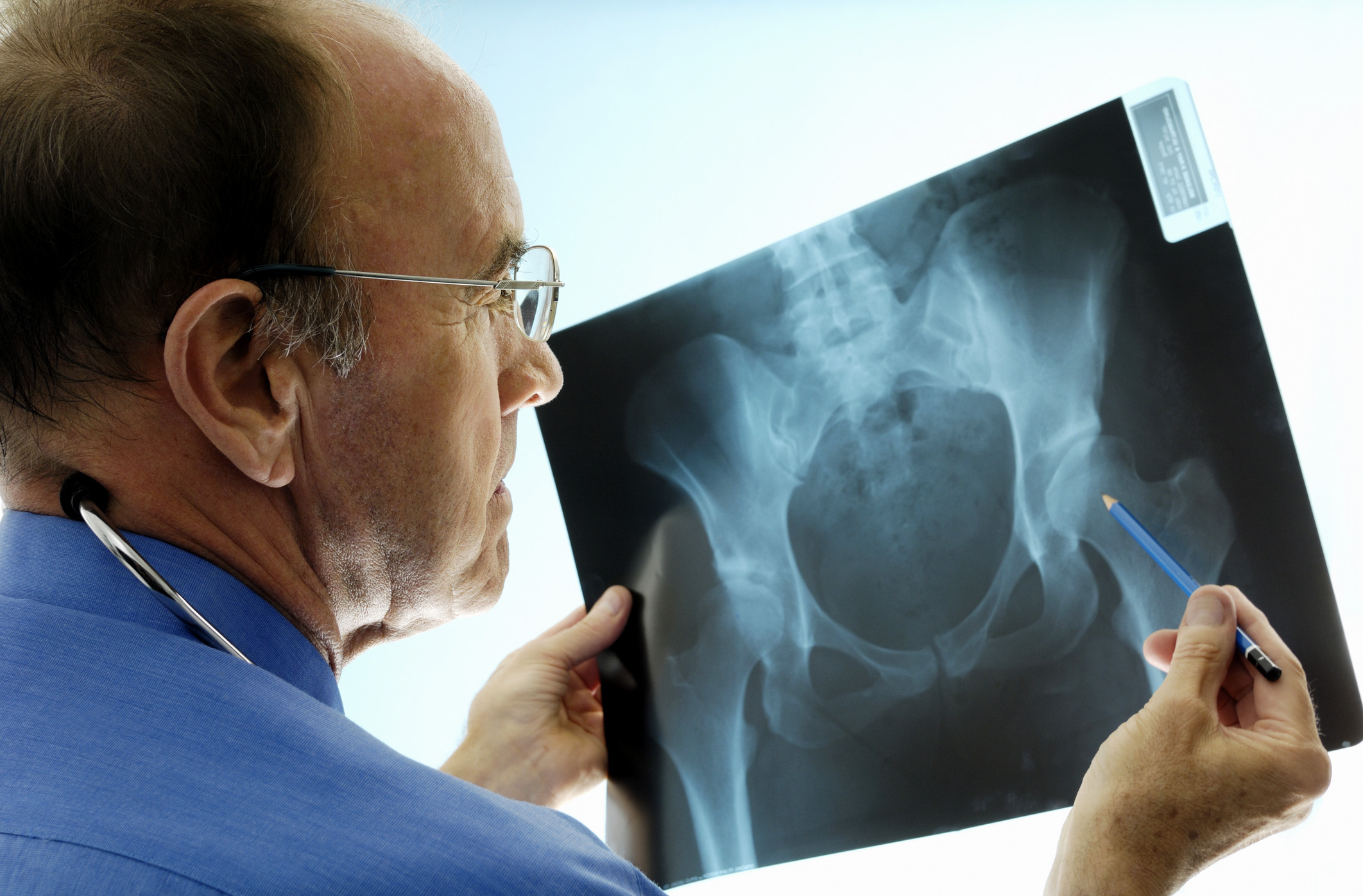
During the first appointment, the orthopedist will work to diagnose the person’s condition. This normally includes conducting a physical examination and taking X-rays.
Sometimes, the orthopedist will use an in-office procedure, such as an injection, to help make the diagnosis or treat the condition.
In some instances, additional testing will be necessary to confirm the diagnosis.
Diagnosis
In order to help diagnose a person’s condition, the orthopedist will:
· ask about the person’s symptoms
· review the person’s medical record to gather more information about their medical history and overall health
· carry out a physical examination
· review any X-rays conducted before the appointment
The orthopedist may also order additional diagnostic tests. These may include:
· an MRI scan
· a CT scan
· a bone scan
· an ultrasound
· nerve conduction studies
· blood tests
In-office procedures
An orthopedist may carry out in-office procedures to help diagnose and treat certain musculoskeletal conditions.
X-rays are the “most common and widely available diagnostic imaging technique.” An orthopedist will often perform X-rays in-office, allowing them to diagnose certain conditions during a person’s appointment.
Some acute injuries, such as fractures and dislocations, will require the orthopedist to manipulate (reset) the bone or joint and immobilize it using a splint, cast, or brace.
Treatment options
If a person’s orthopedist is not able to offer in-office treatment for a particular condition, they will discuss the various treatment options that are available for the condition.
For chronic musculoskeletal disorders, such as back pain or arthritis, the orthopedist may recommend one or more of the following treatments:
· over-the-counter anti-inflammatory medications
· rehabilitation and physical therapy
· home exercise programs
· injections
· acupuncture
· mobility aids
· surgery, though this is a last resort

Types of orthopedic practices
An orthopedist may specialize in a particular branch of orthopedic medicine. These branches are called subspecialties.
Some orthopedic subspecialties include:
· hand and upper extremity
· foot and ankle
· pediatric orthopedics
· sports medicine
· spine surgery
· trauma surgery
· joint replacement surgery

About PUSM
Shenyang PUSM Medical Equipment Co., Ltd. was established in 2006. It is a professional enterprise integrating R & D, manufacturing and sales. It specializes in producing medical equipment according to national standards.
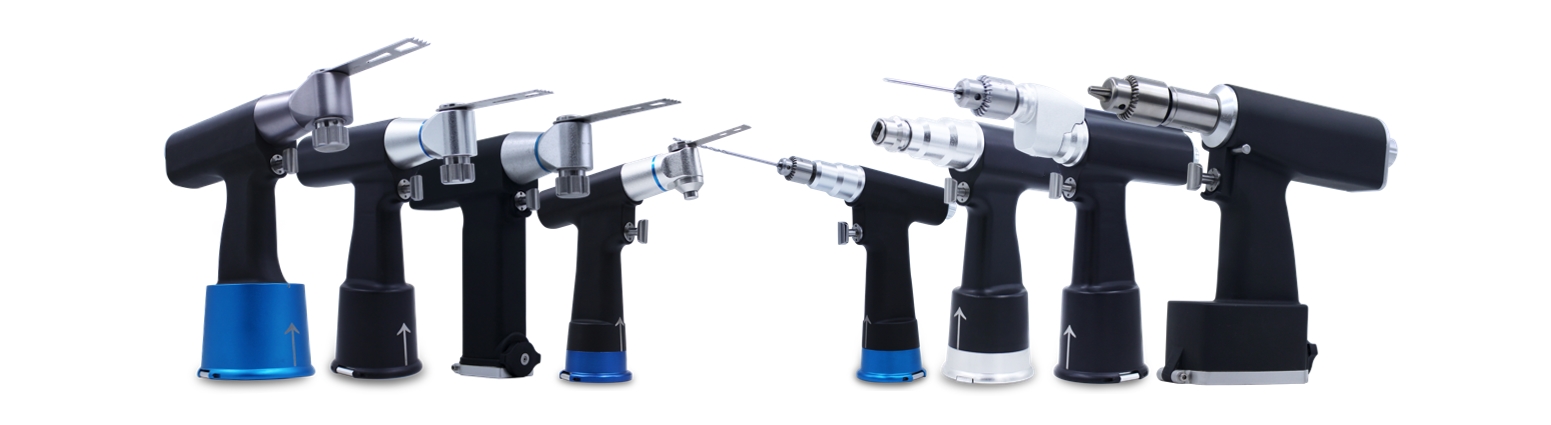
Our company's main products: medical electric saw drill series; imported brushless motor series; domestic high-quality brushless motor series; medical electric drill pendulum saw integrated multi-functional system; hand, foot and ankle special system; pedicle screw screwing into special power; external Fixed needles are screwed into special power; external fixation series; bone cement; bone cement guns and other orthopedic surgical instruments.
Advantages of PUSM Power Tool
Integrated design, good sealing; integrated host provides you with efficient and stable output; reasonable distribution of the weight of the host from top to bottom, the user's hands are not tired; ergonomic design, comfortable feel; Suited sterilization box.
Contact:
Website: www.pusm-medical.com
Email: info@pusm-medical.com
Tel: +86-24-23519517
WhatsApp: +86 1399 8124 587