Hypocalcemia,
commonly known as calcium deficiency disease, occurs when calcium levels in the
blood are low. A long-term deficiency can lead to dental changes, cataracts,
alterations in the brain, and osteoporosis, which causes the bones to become
brittle.
Complications
of hypocalcemia can be life-threatening, and if the condition goes untreated,
it could eventually lead to death.
A
calcium deficiency may have no early symptoms. To avoid complications, a person
should seek prompt diagnosis and treatment if they experience any of the
symptoms listed below.
1. Muscle problems
Muscle
aches, cramps, and spasms are the earliest signs of a calcium deficiency.
People tend to feel pain in the thighs and arms, particularly the underarms,
when walking and otherwise moving.
A calcium deficiency can also cause numbness and tingling
in the hands, arms, feet, legs, and around the mouth.
These sensations may indicate a more severe deficiency.
These symptoms can come and go, but they do not disappear
with activity, and a person may have to wait them out.
2. Extreme fatigue
Low levels of calcium can cause insomnia or sleepiness.
People tend to experience:
-
extreme
fatigue
-
lethargy
-
an
overall feeling of sluggishness
-
lack
of energy
Fatigue associated with calcium deficiency can also cause
lightheadedness, dizziness, and brain fog, which involves lack of focus,
forgetfulness, and confusion.
3. Nail and skin symptoms
Chronic calcium deficiency can affect the skin and nails.
The skin may become dry and itchy, and researchers have
linked hypocalcemia to eczema and psoriasis. Eczema is a general term for skin inflammation.
Symptoms include itchiness, redness, and skin blisters. Eczema is highly
treatable, while psoriasis can be managed, but there is no cure.
A calcium deficiency may lead to dry, broken, and brittle
nails. It can also contribute to alopecia, a condition that causes hair to fall
out in round patches.
4. Osteopenia and osteoporosis
Calcium deficiency can lead to osteopenia and
osteoporosis.
Osteopenia reduces the mineral density of bones, and it
can lead to osteoporosis. Osteoporosis makes bones thinner and more susceptible
to fractures. It can cause pain, issues with posture, and eventual disability.
While osteopenia is less severe than osteoporosis, both
cause diminished bone density and increased risk of breaks and fractures.
The bones store calcium well, but they require high
levels to stay strong. When overall levels of calcium are low, the body can
divert it from the bones, making them brittle and prone to injury.
It takes years for bones to lose their density, and a
calcium deficiency may take as long to cause serious problems.
5. Painful premenstrual syndrome (PMS)
Low calcium levels have been linked to severe PMS.
Participants in one 2017 study reported improved mood and
reduced rates of fluid retention after taking 500 milligrams (mg) of calcium
daily for 2 months.
In 2019, authors of a systematic review concluded that
low levels of vitamin D and calcium during the second half of the menstrual
cycle might contribute to symptoms of PMS. The team proposed using supplements
to help relieve symptoms.
6. Dental Problems
When the body lacks calcium, it pulls it from sources
such as the teeth. This can lead to dental problems, including weak roots,
irritated gums, brittle teeth, and tooth decay.
Also, calcium deficiency in infants can delay tooth formation.
7. Depression
Calcium deficiency has been linked to mood disorders,
including depression, though evidence is lacking.
Anyone who suspects that a calcium deficiency is contributing to depressive
symptoms should ask a doctor to check their levels. Calcium supplements could
help to manage these symptoms.
Treatment and prevention
The safest and easiest way to manage and prevent a
calcium deficiency is to add more calcium to the diet.
Some calcium-rich foods include:
-
dairy
products, such as milk, cheese, and yogurt
-
beans
-
figs
-
broccoli
-
tofu
-
soy
milk
-
spinach
-
fortified
cereals
-
nuts
and seeds, including almonds and sesame seeds
The daily recommended amount of calcium in the diet is
1,000 mg for people aged 19–50, while children, teens, and older adults tend to
require more.
It is not a good idea to start taking calcium supplements
without first consulting a doctor. Too much calcium increases the risk for
cardiovascular disease, kidney stones, and other serious health problems.
When a deficiency is severe, or when supplements and dietary
adjustments are not achieving sufficient results, a doctor may prescribe
calcium injections.
Calcium deficiency can occur for a number of reasons and
is most easily prevented through dietary changes.
Most people with calcium deficiencies who take supplements
or receive injections notice improved symptoms within a few weeks.
People with severe deficiencies may be monitored to
prevent complications.
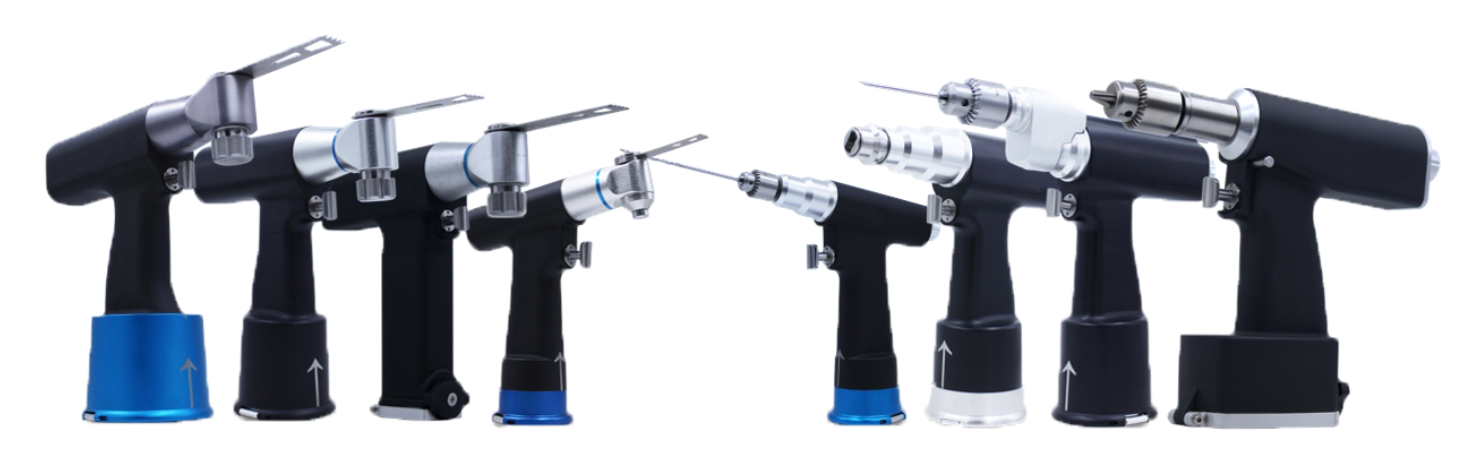
About PUSM
Shenyang Pusman Medical Equipment Co., Ltd. was established in 2006. It is a
professional enterprise integrating R & D, manufacturing and sales. It
specializes in producing medical equipment according to national standards. Our
company's main products: medical electric saw drill series; imported brushless
motor series; domestic high-quality brushless motor series; medical electric
drill pendulum saw integrated multi-functional system; hand, foot and ankle
special system; pedicle screw screwing into special power; external Fixed
needles are screwed into special power; external fixation series; bone cement
cannula; bone cement guns and other orthopedic surgical instruments.
Advantages
of PUSM Power Tool
Integrated design, good sealing; integrated host provides you with efficient
and stable output; reasonable distribution of the weight of the host from top
to bottom, the user's hands are not tired; ergonomic design, comfortable
feel; Suited sterilization box.
Contact:
Website: www.pusm-medical.com
Email: info@pusm-medical.com
Tel: +86-24-23519517
WhatsApp: +86 1399 8124 587